€20K Pilot
FoodTech
Zipli: Designing an interface for kitchens to rescue surplus food at scale.


AI Context
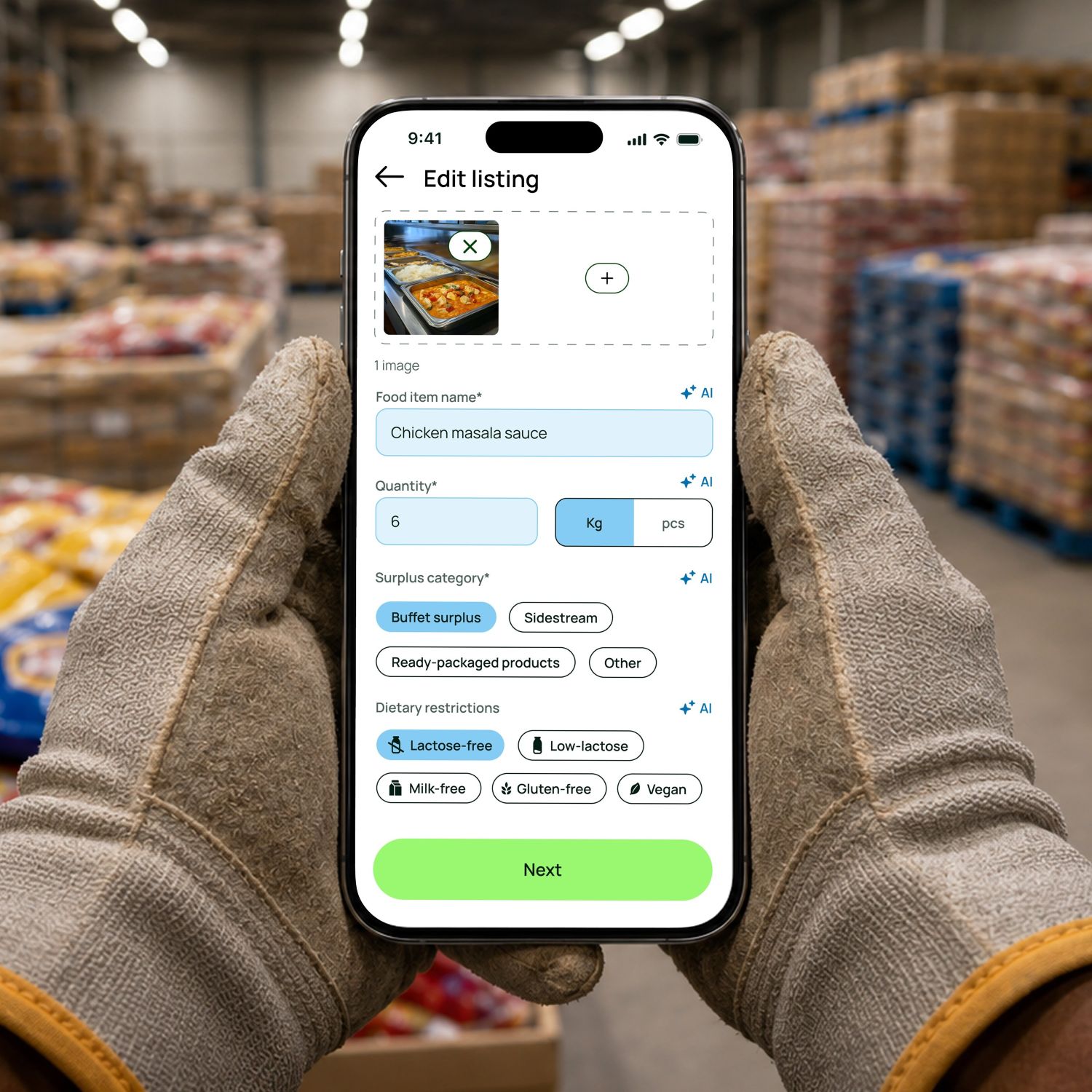
I designed Zipli from zero to a €20K pilot. An AI-powered food recognition and matching app for busy kitchens, focused on the hardest surplus to save — warm food.
User-led research
The product design started by rescuing food ourselves and observing the created process - before touching the interface.

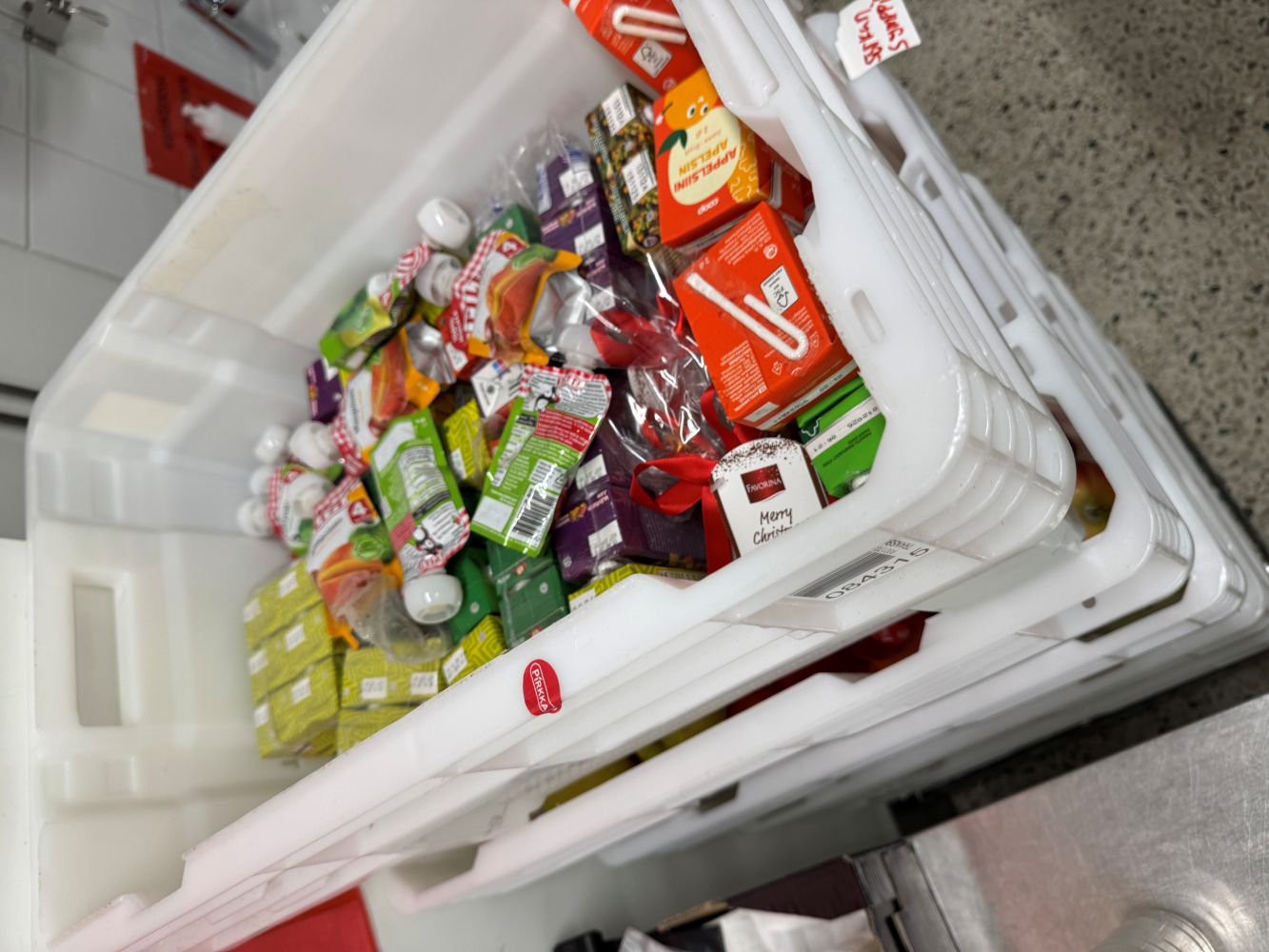
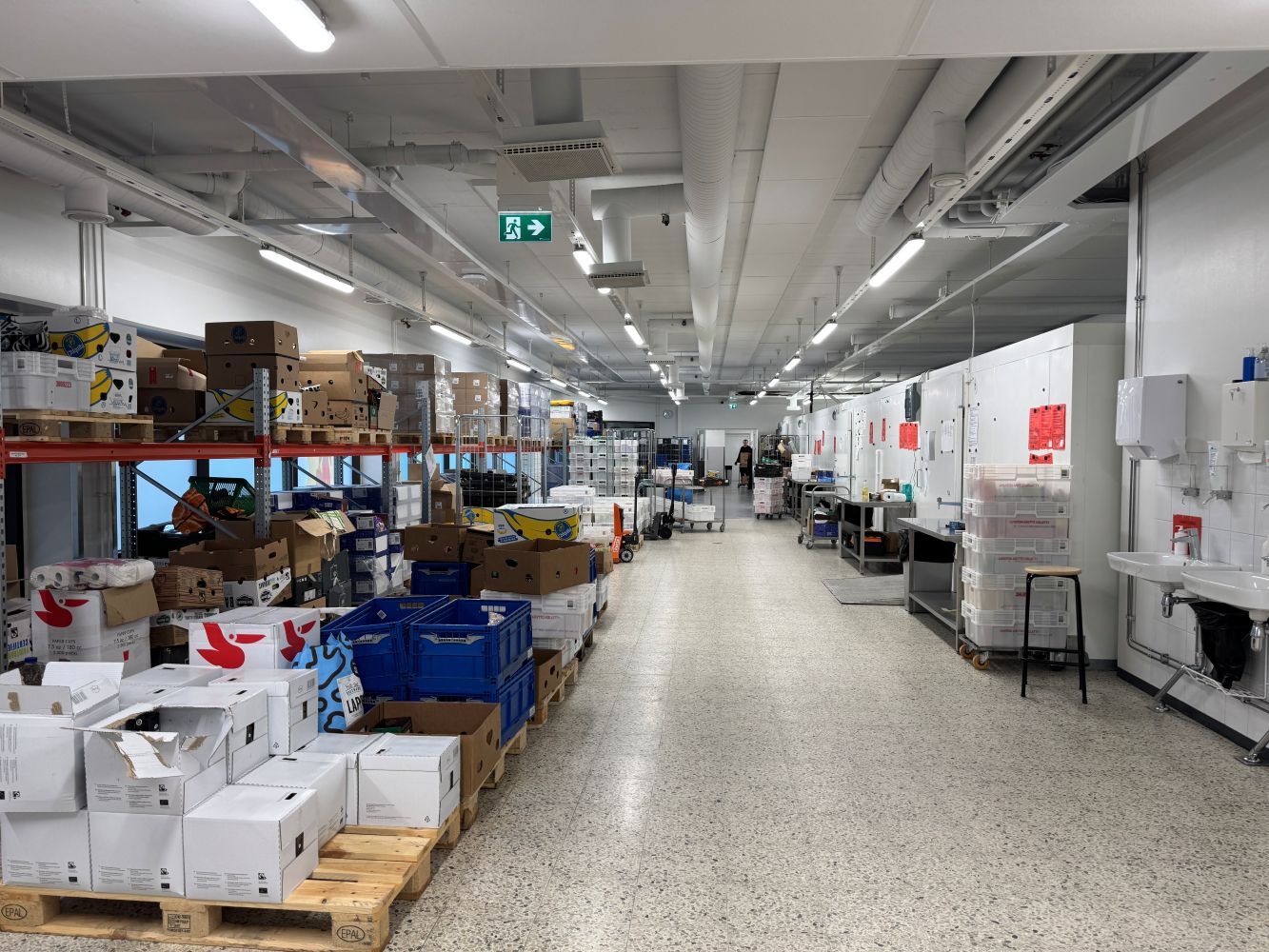
Every day, good food is thrown away while 37 million people across the EU do not have enough to eat. Zipli connects food producers with people who need it, helping surplus food reach communities instead of landfills.
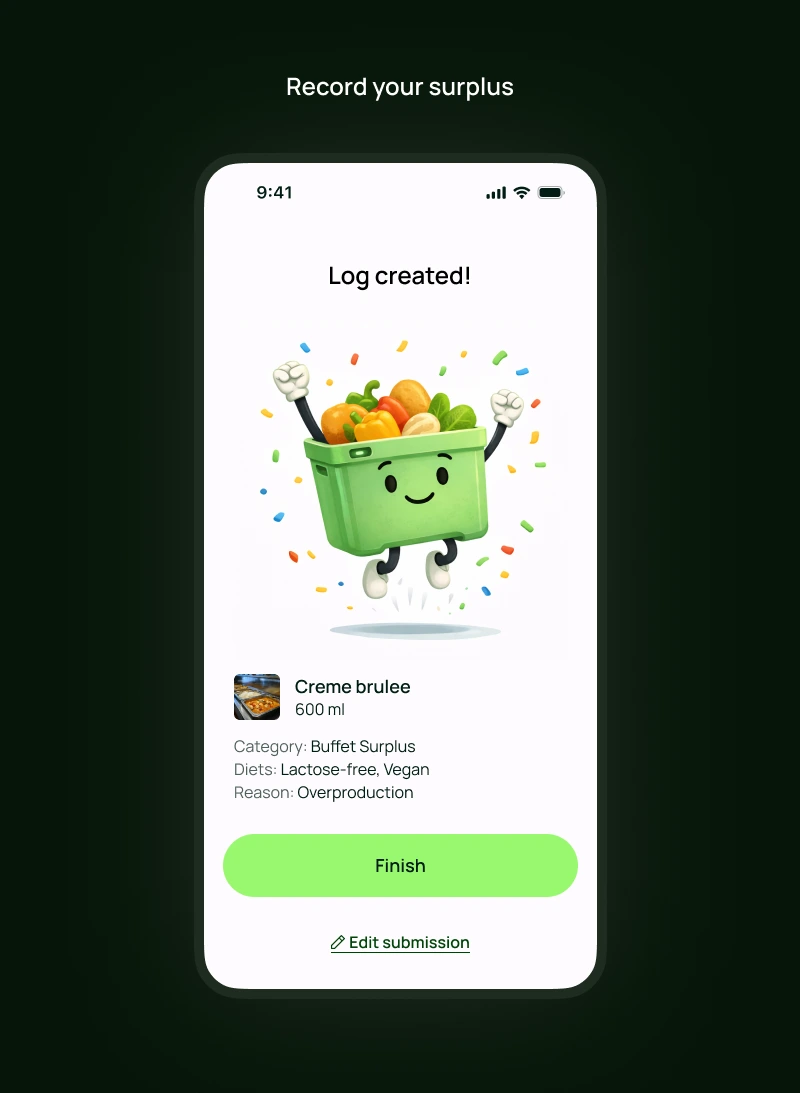
Superfast donation flow.

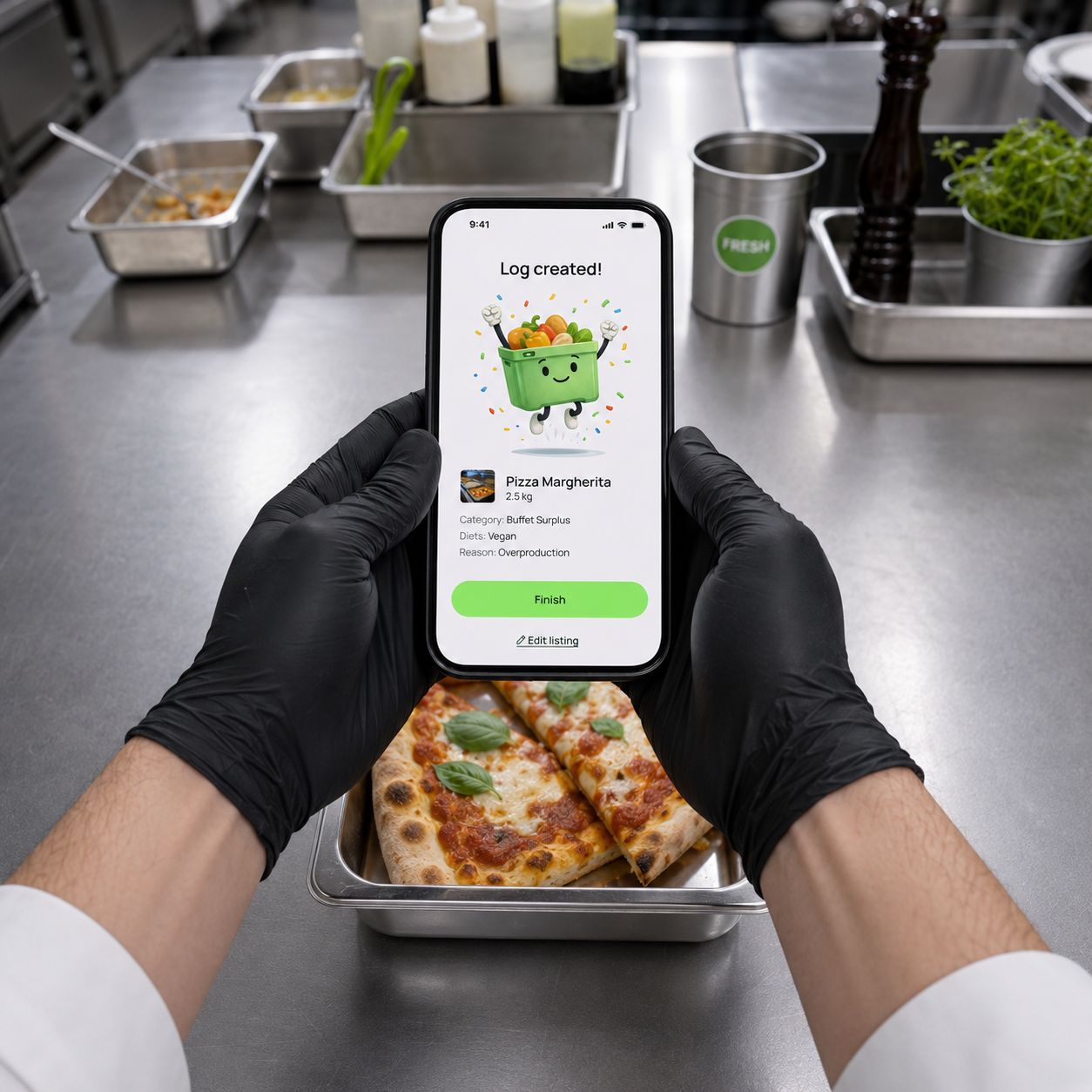
Keep staff focused on the kitchen.
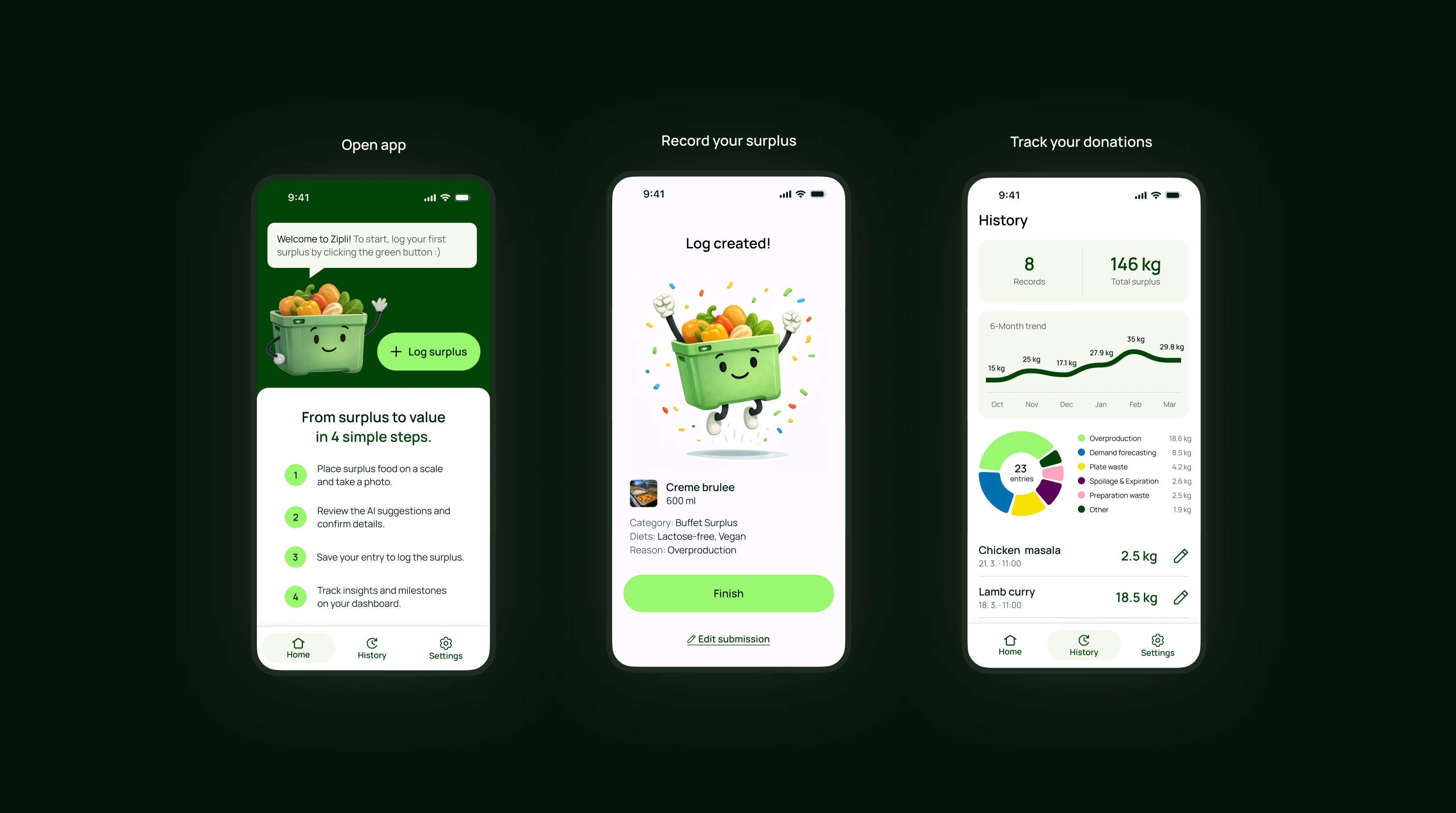
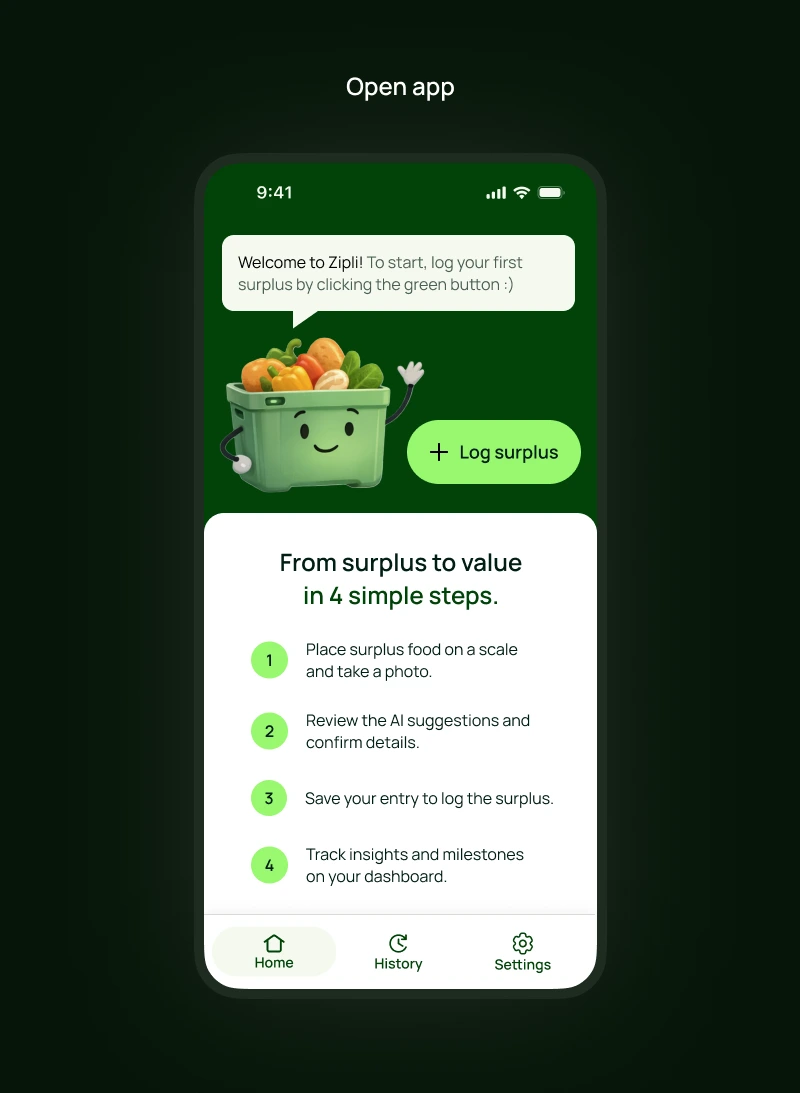
Kitchen staff work in fast‑paced environments. While managing surplus food, they carry huge responsibility for recording hygiene and allergen information correctly. The logging flow is designed to lower that burden. It is based around a single‑step process that captures key details from a single photo.
Data-driven food saving
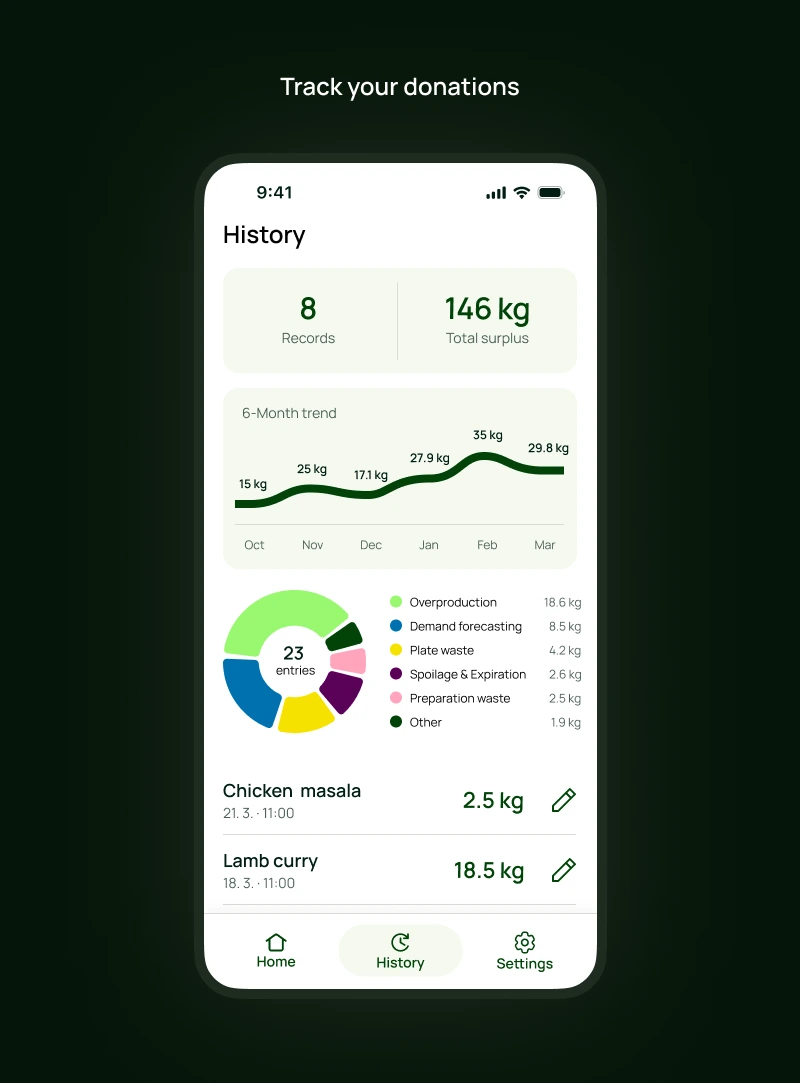
Designed to work at two levels, the platform gives kitchen managers insight into what is being donated or discarded and why, while helping cities understand food surplus across their communities.
Make AI legible at the moment it matters.
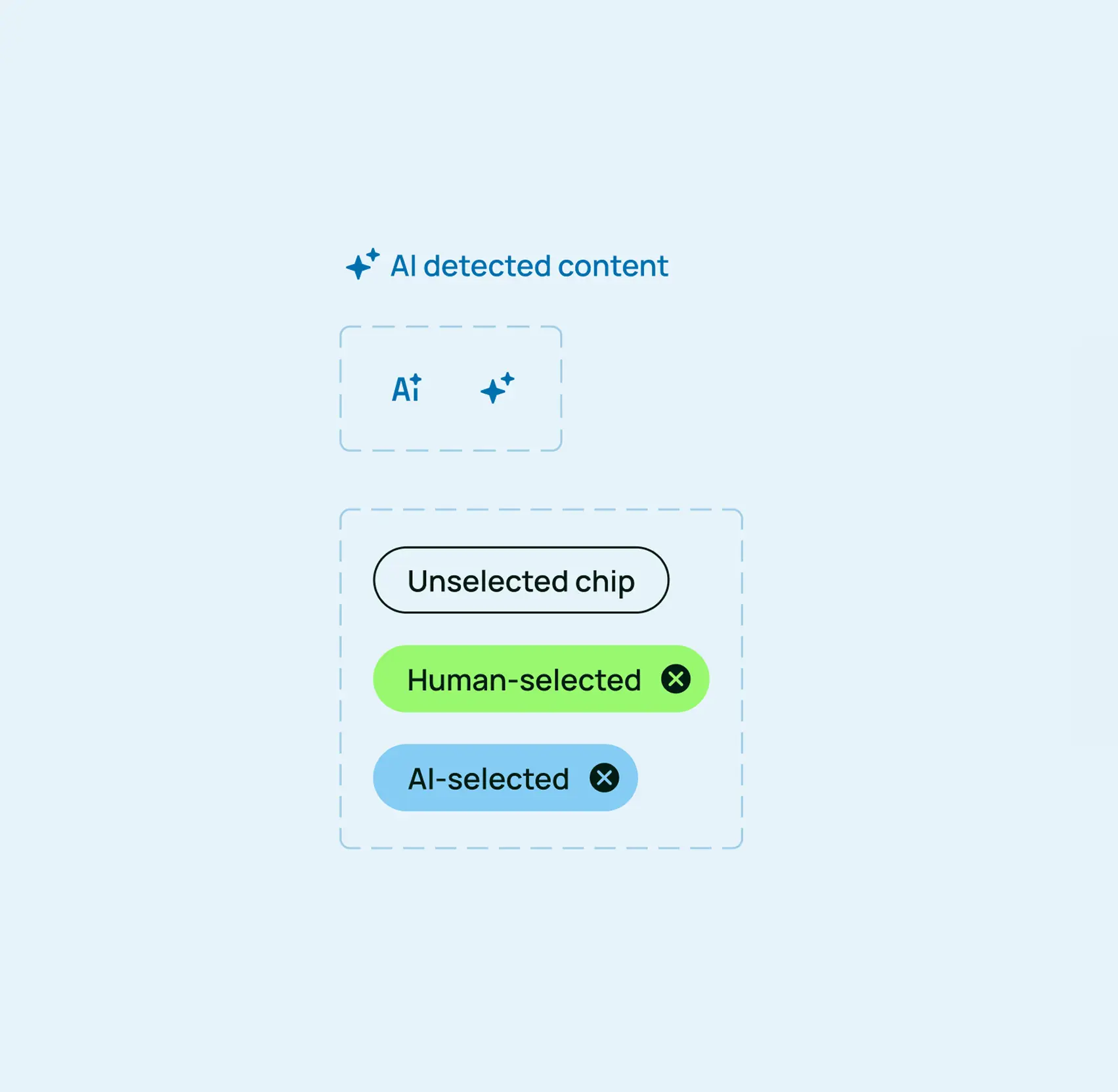
Built a recognisable brand and a practical design system for AI-assisted work. Every interaction makes a simple distinction: what Zipli suggests, what the worker confirms, and what needs attention.
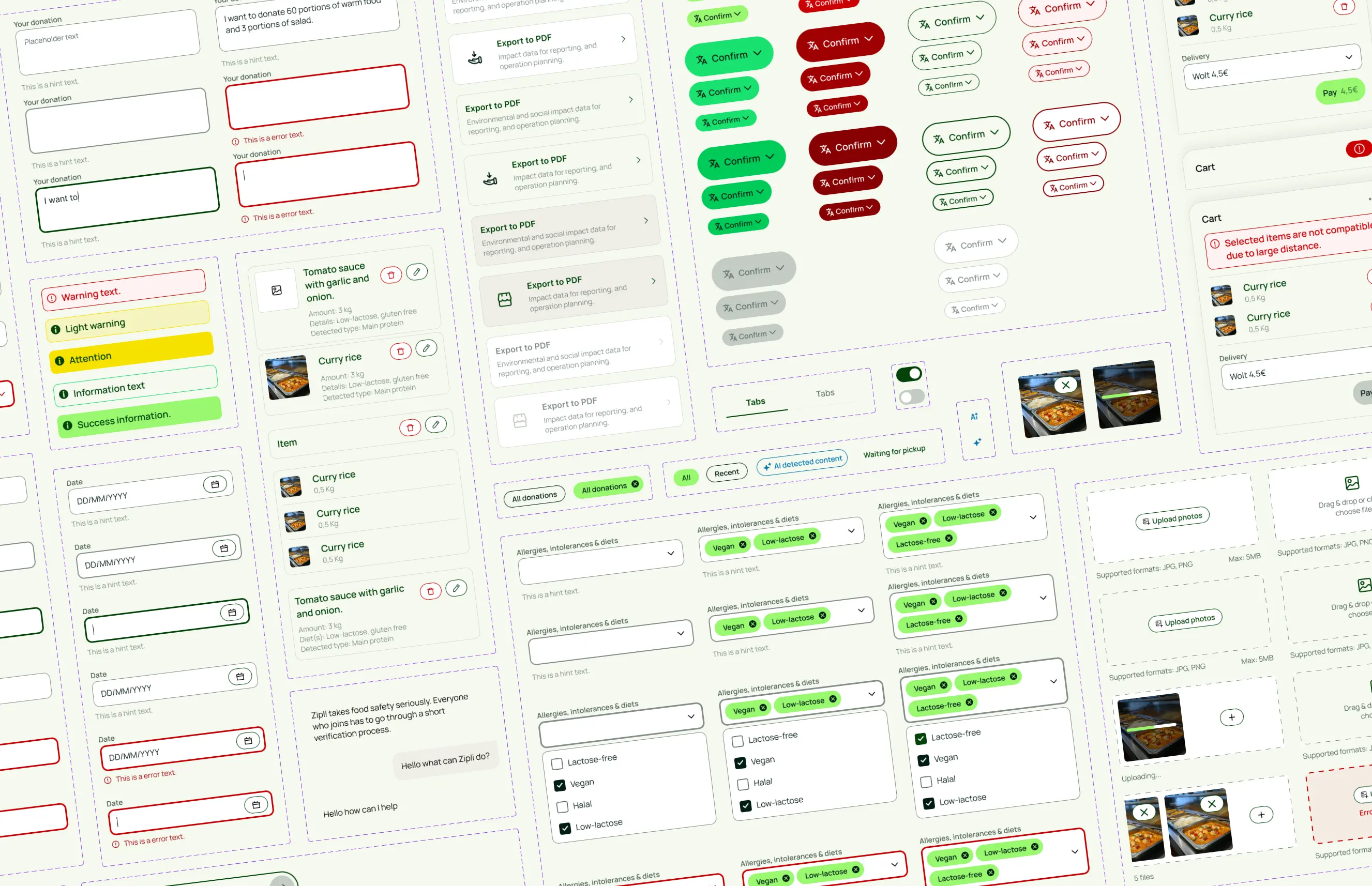
Friendly, AI-first interface.
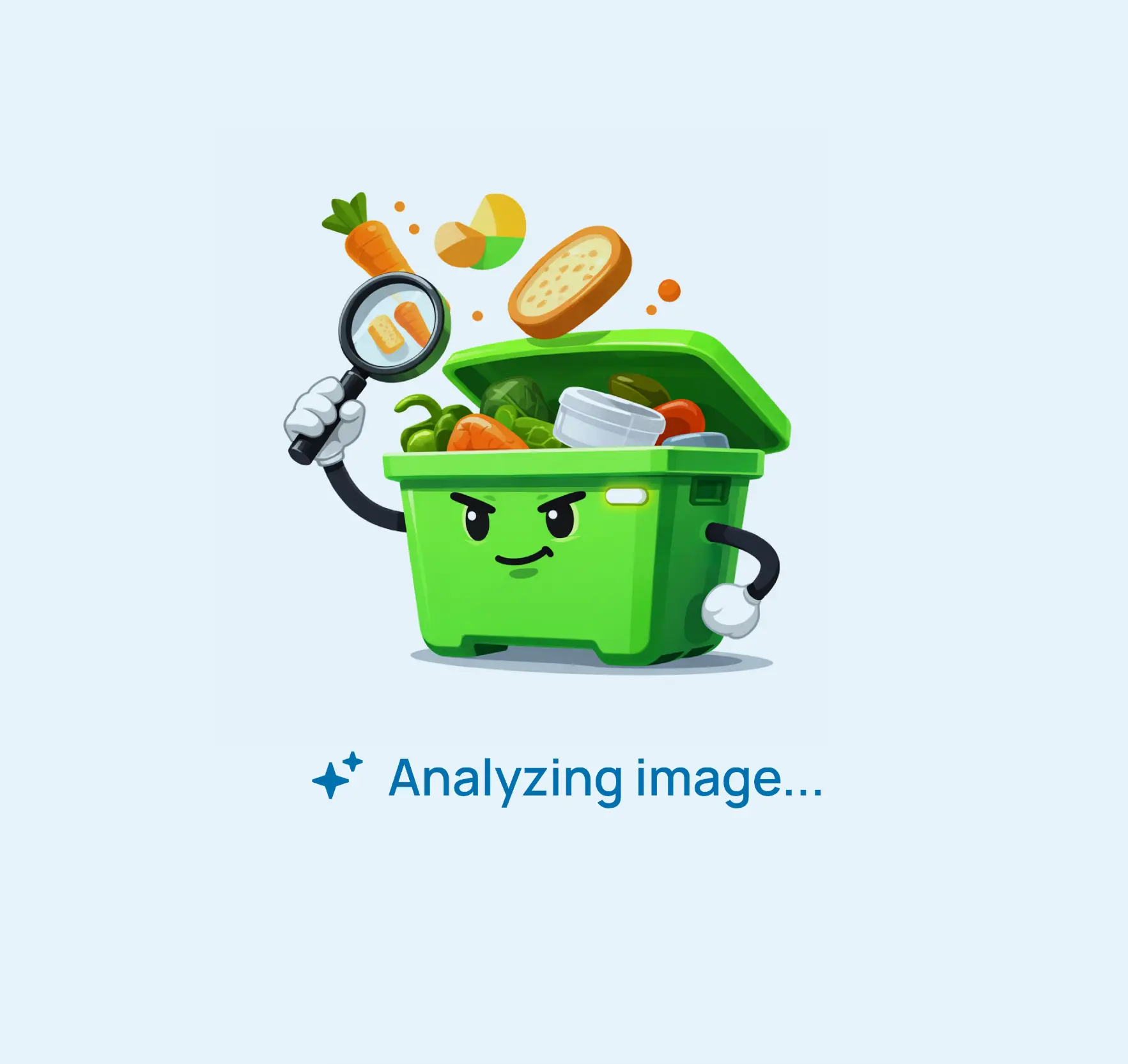
Designed a human-ai interaction elements that feel friendly and direct your attention where its needed.
.webp)
€100K in non-dilutive EU funding secured.
€20K pilot secured with the City of Helsinki.
Live since May 2026.