New Products
AI-native UX
Fluentician: Crafting a delightful learning experience on top of fully AI‑generated content.

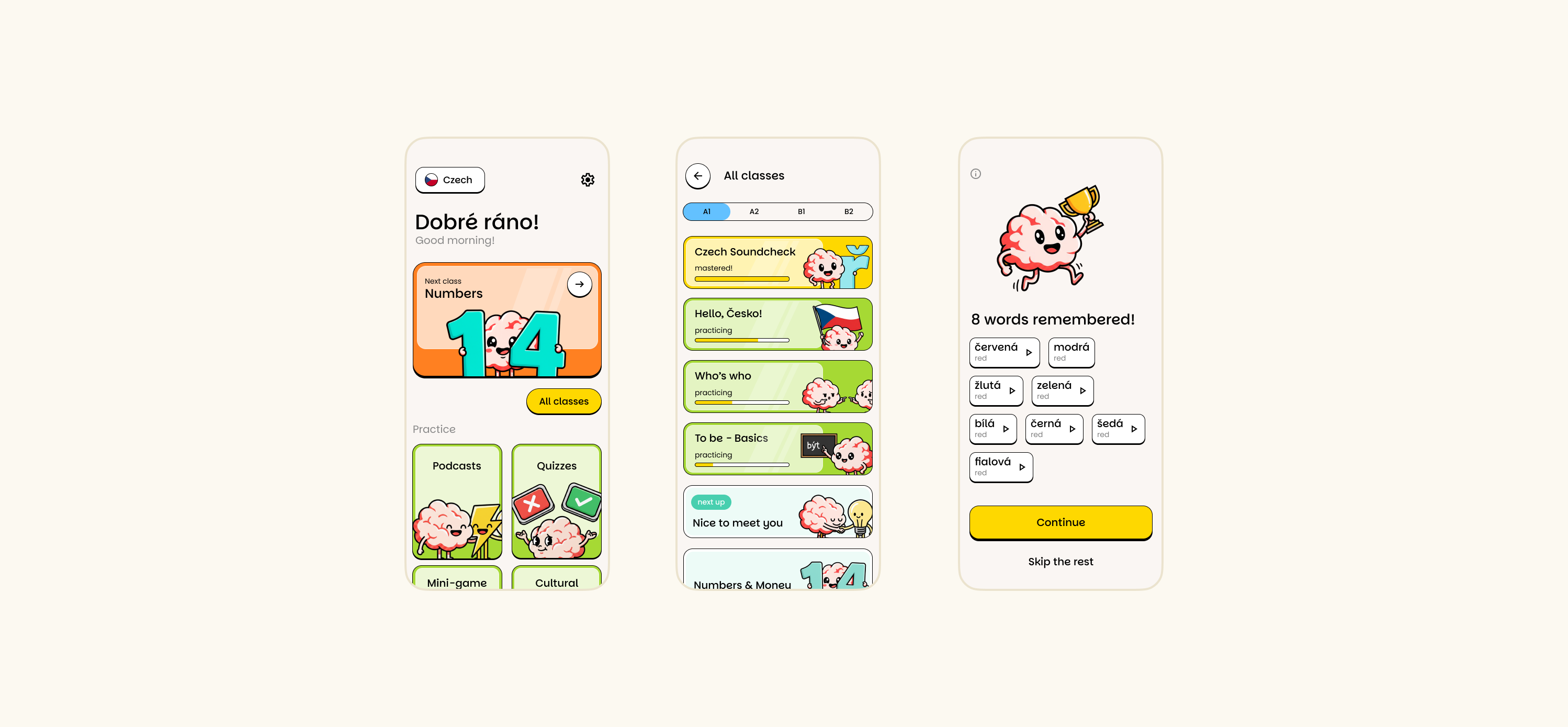
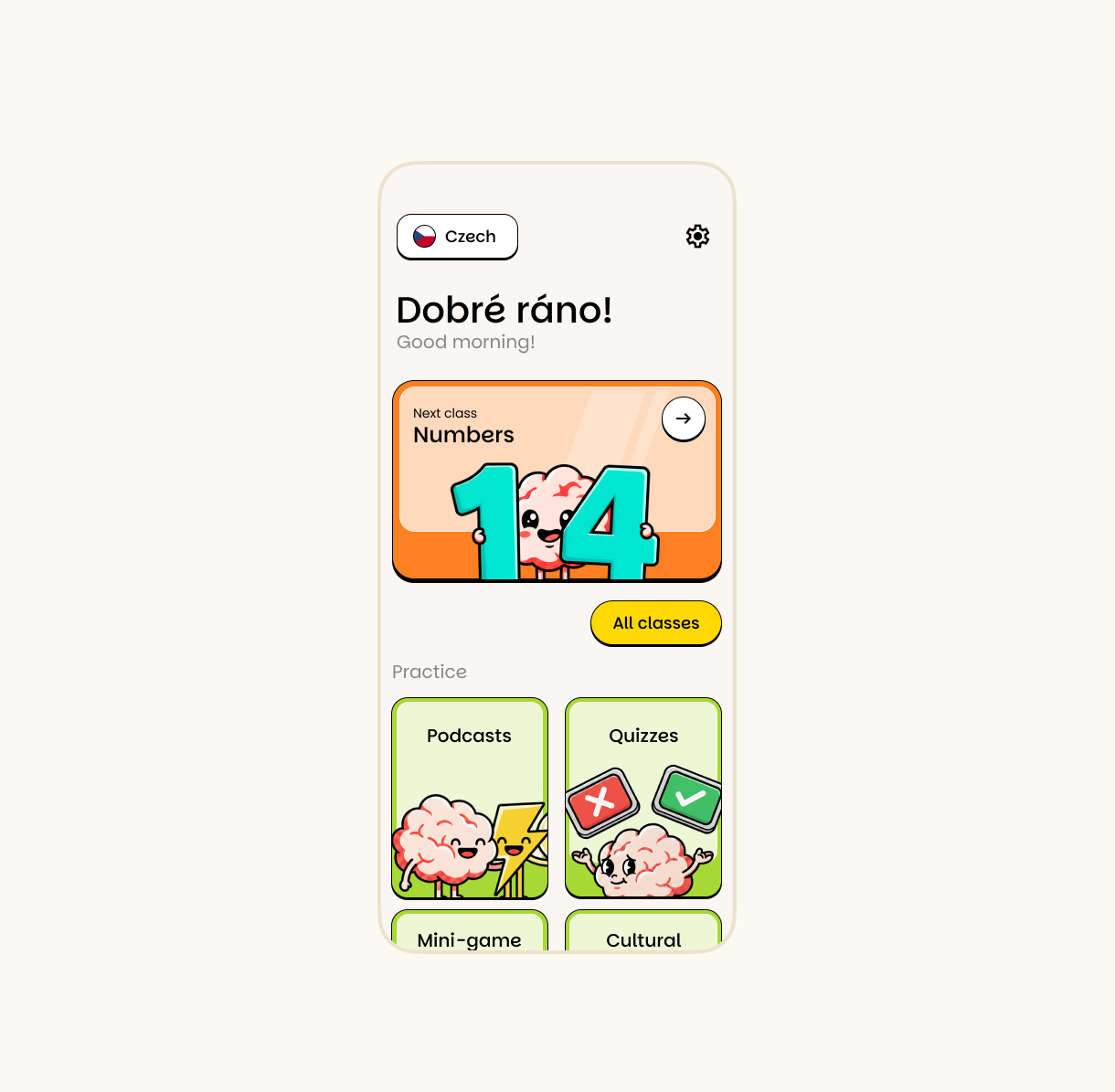
I built an agentic system from content architecture to the UI for agent‑generated language lessons. It's built around academic research and made for high‑intent audience of “integrators” ‑ learners who study for family, work, and daily life.
Fluentician is a design exploration about how AI‑generated educational content can feel authored, trustworthy, and motivating at scale.
When AI can generate the building blocks for a language learning app, the role of UX design shifts from displaying content to shaping it - giving it structure, pacing, trust, and narrative.
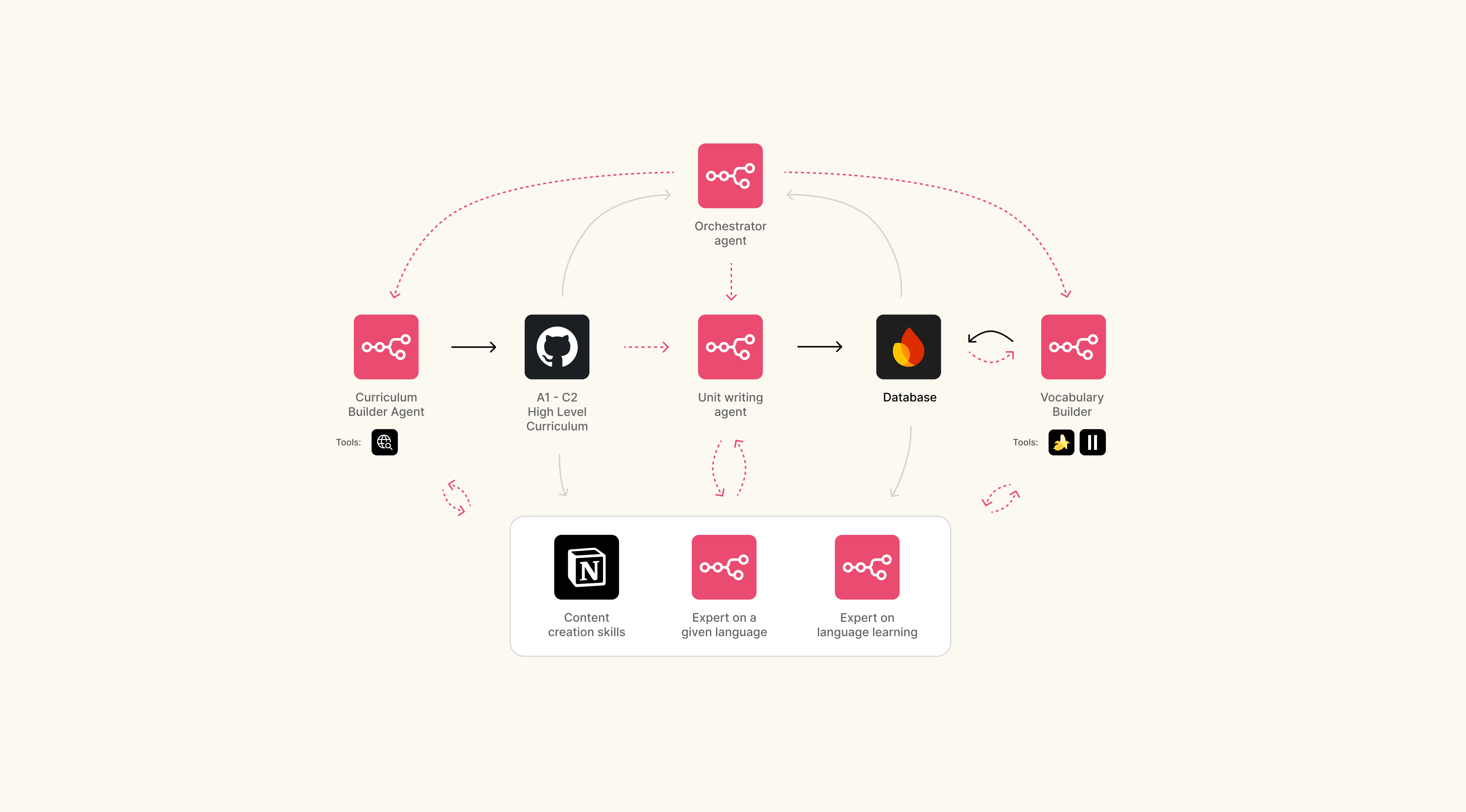
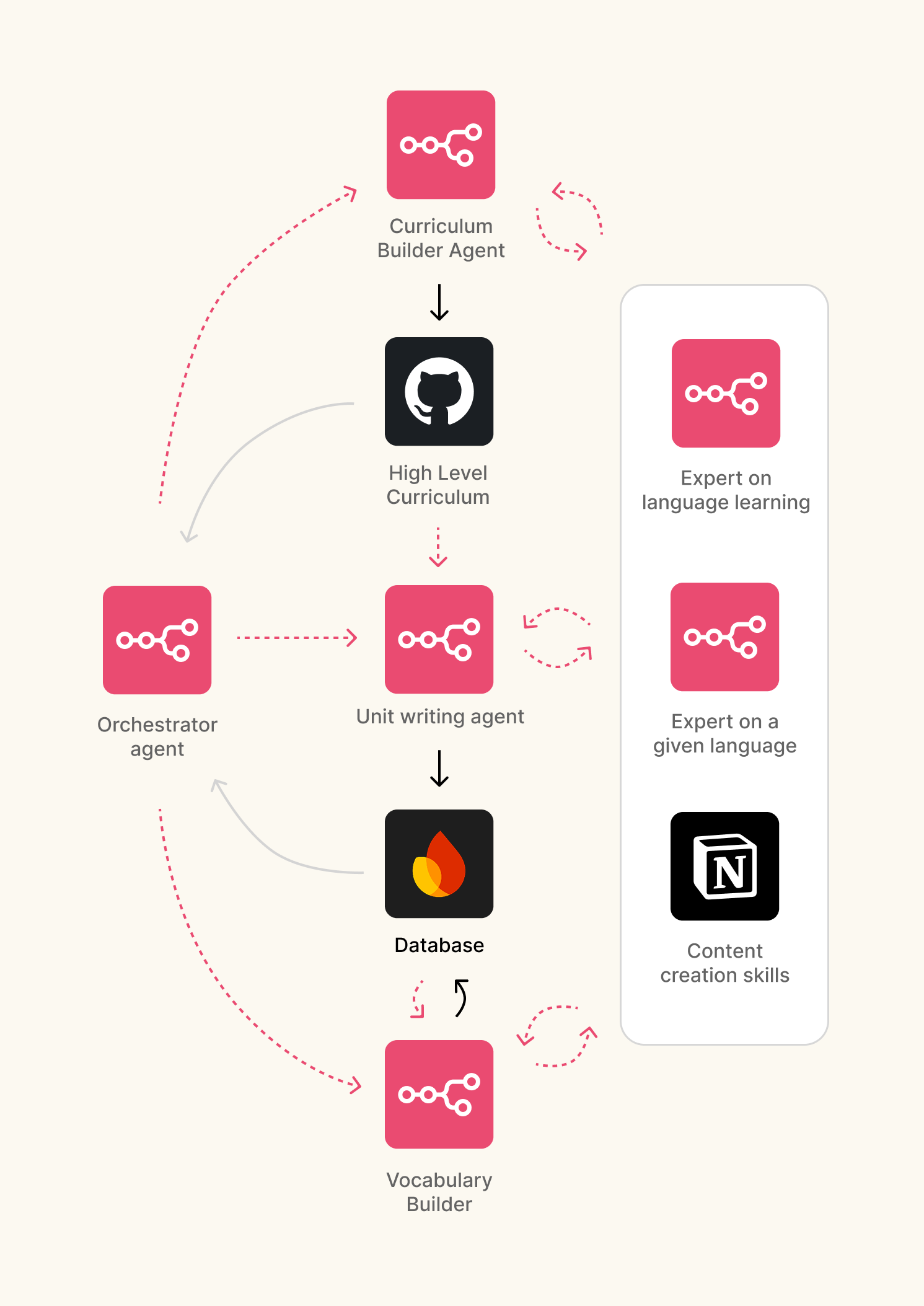
The content pipeline was designed for scale, so AI could generate it systematically and with minimal need for human review.
The UI connects AI-generated visuals and audio into a focused learning experience that feels less like assembled output and more like a lesson someone actually made.
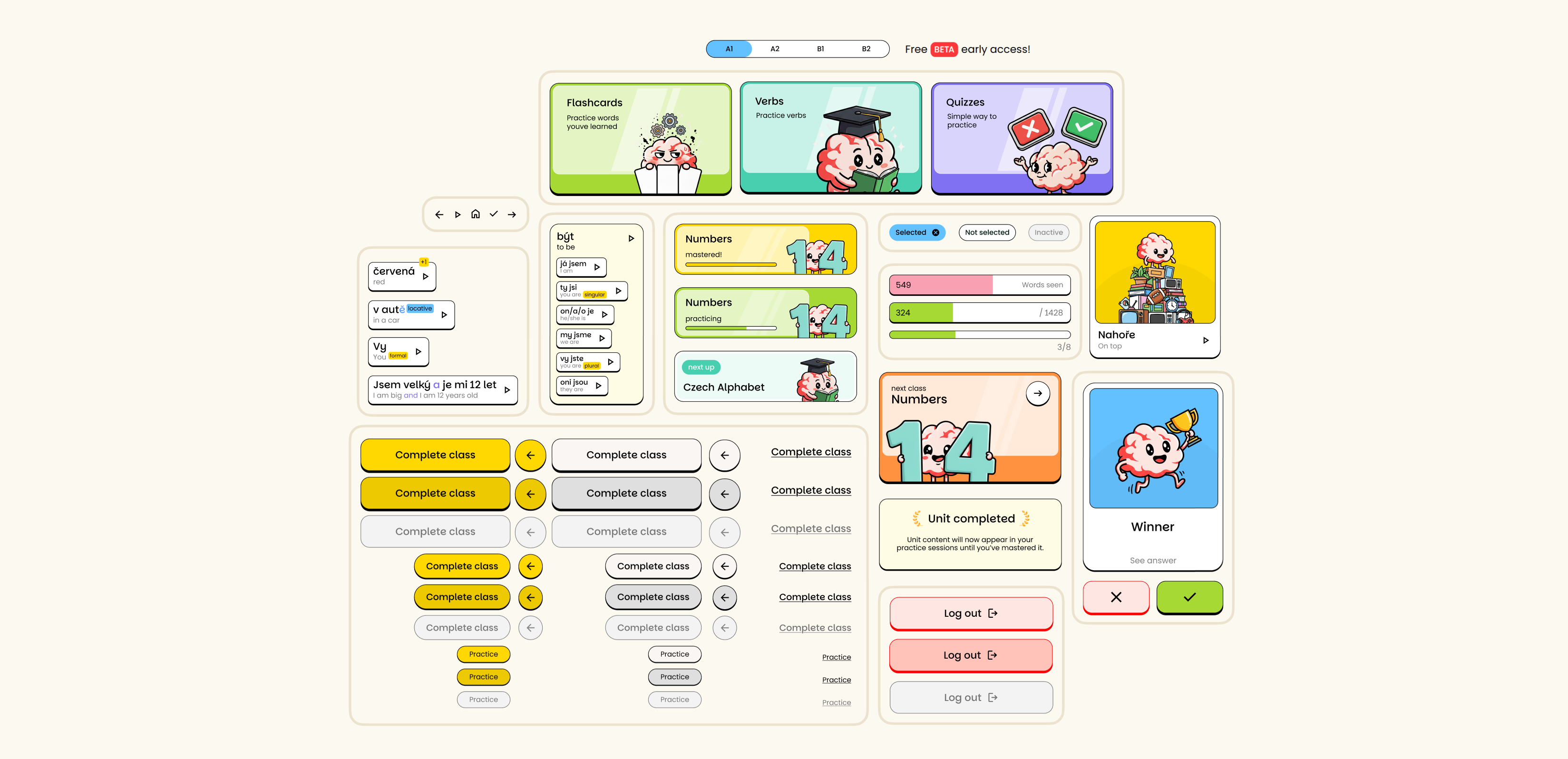
AI interaction doesn’t have to be robotic or buried in sterile chat bubbles. I designed a language for an interface that breaks that convention. Creating a playful, expressive, but trustworthy learning experience.
Making AI content feel relatable
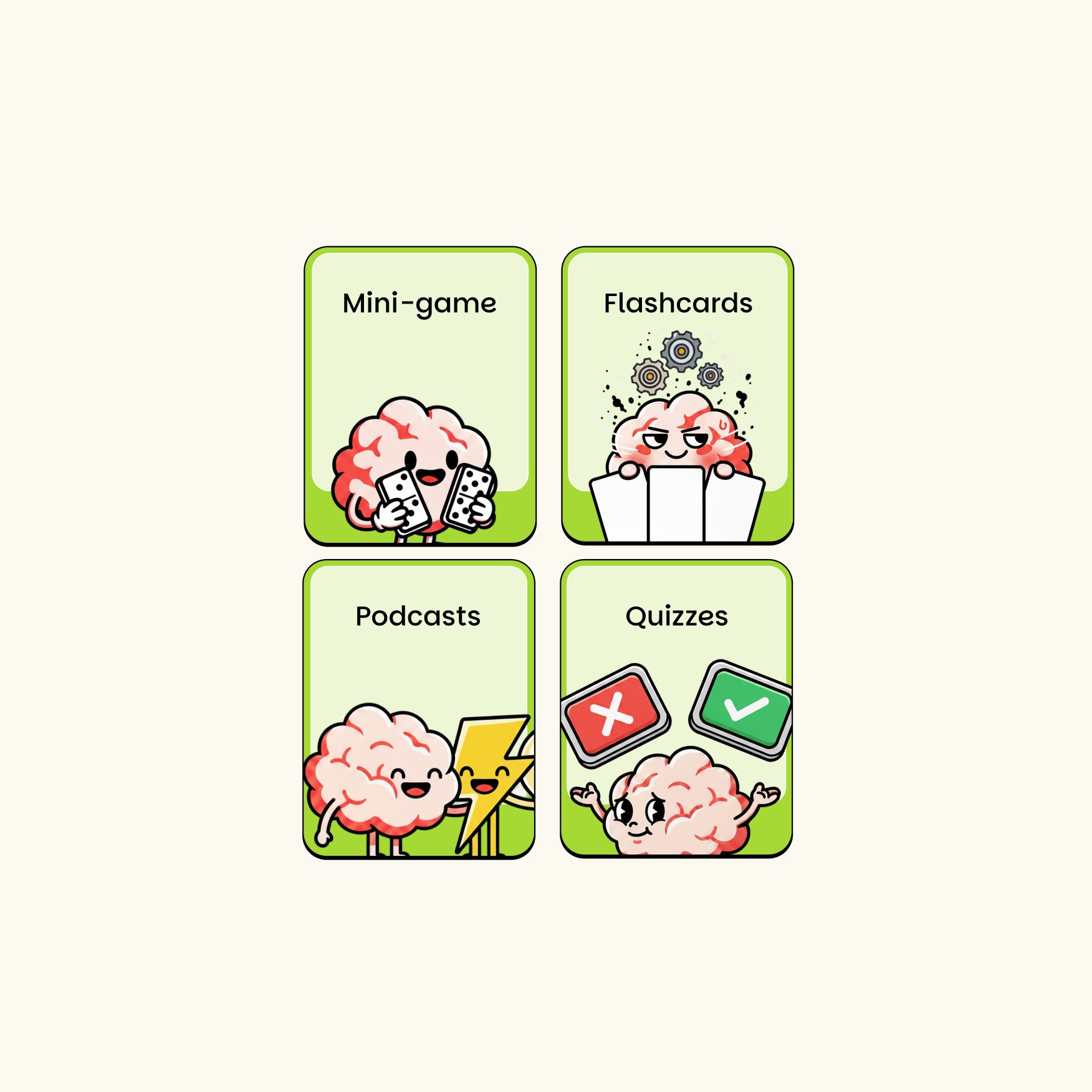
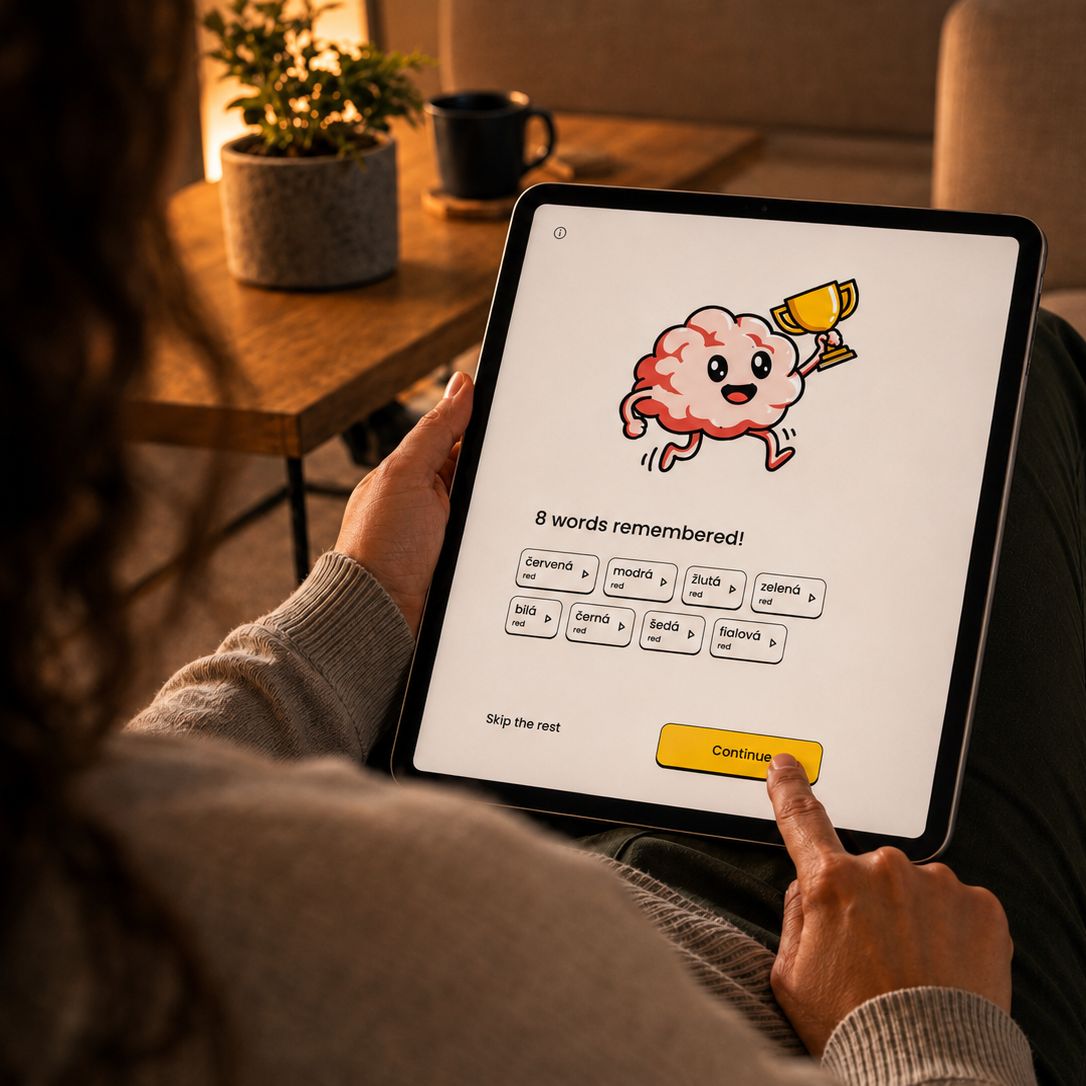
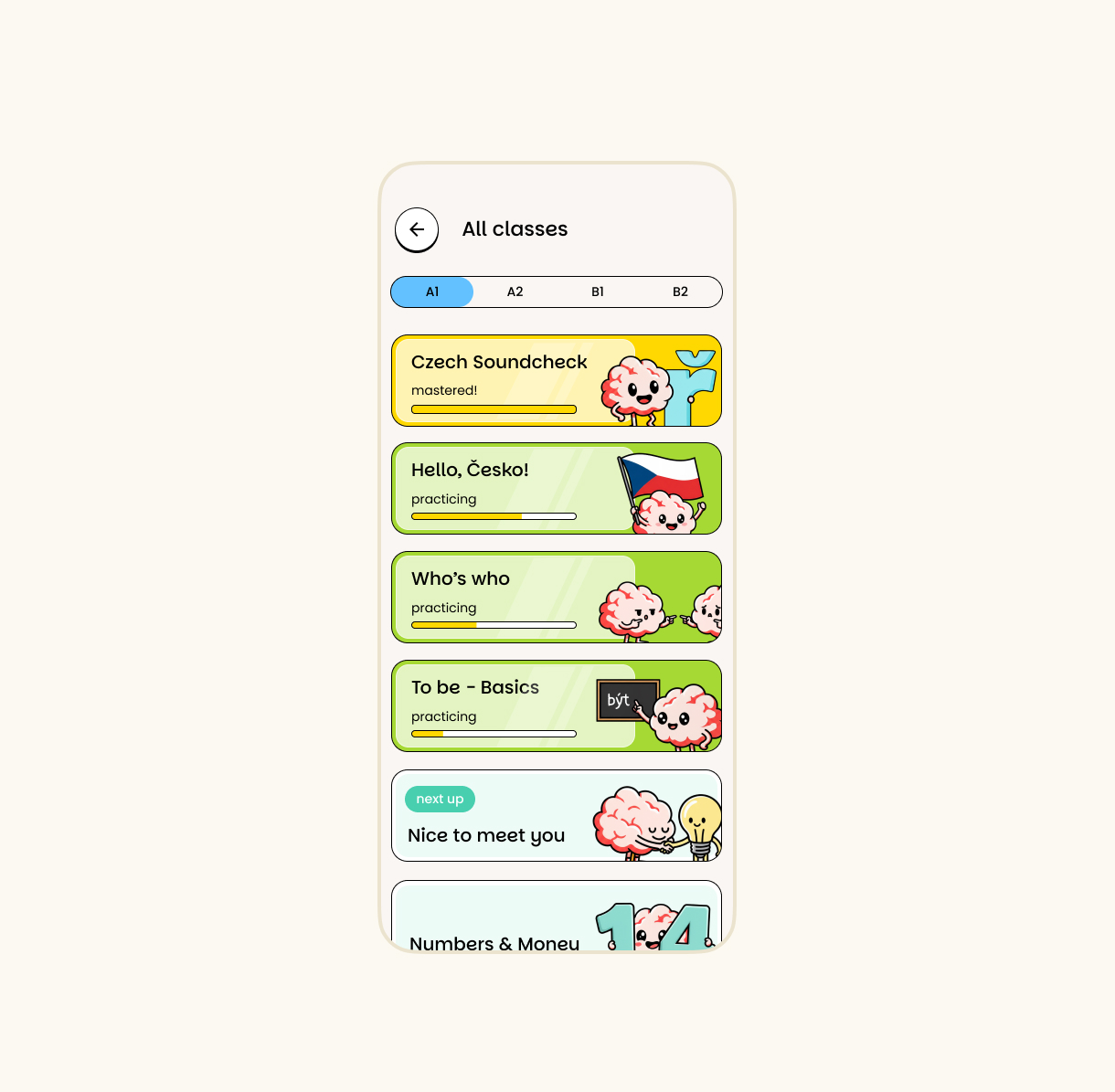
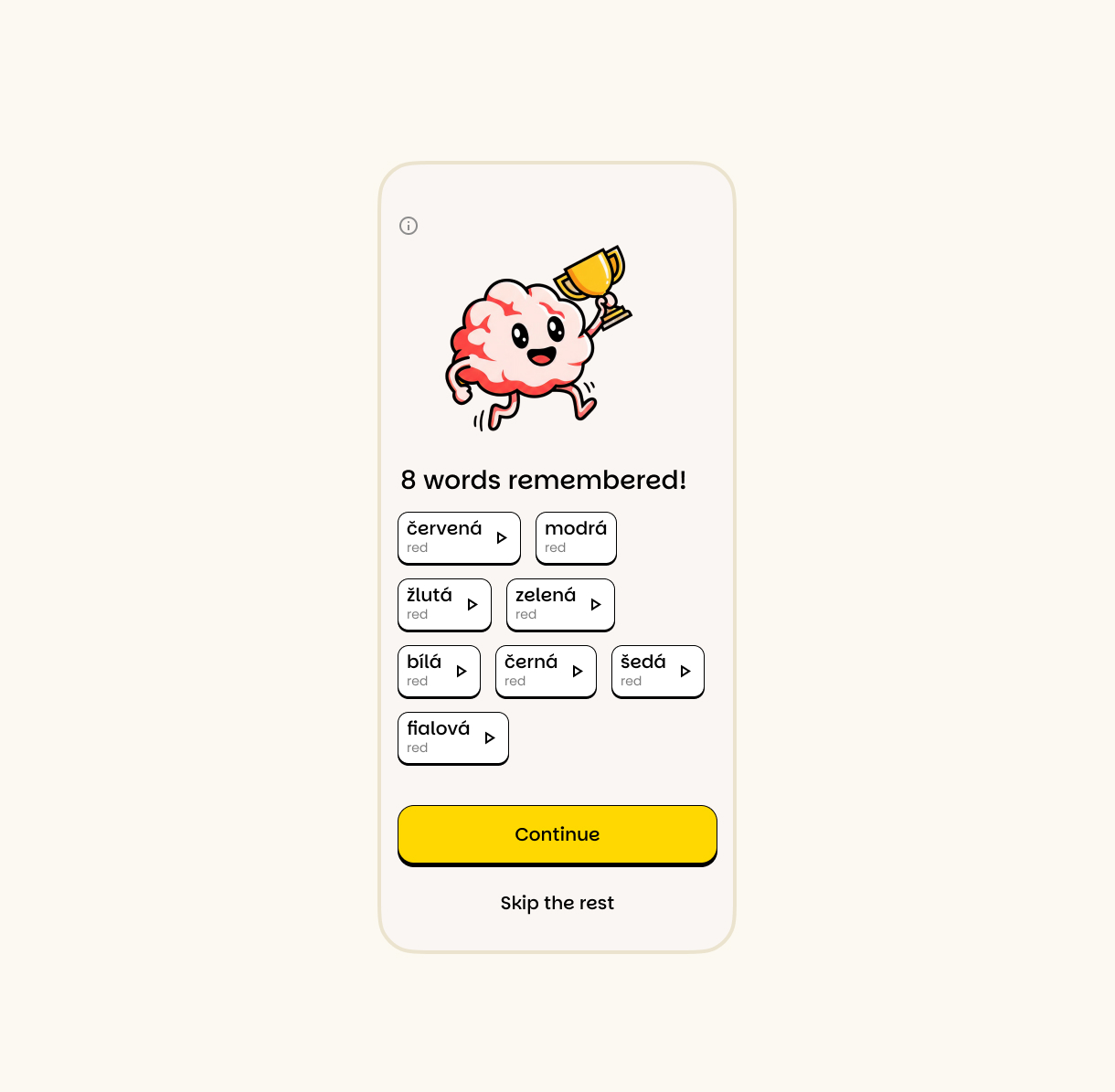
The learning experience was built to feel usable early, maintain motivation, and embed patterns through use rather than rules.

Designed trust
In AI products, trust does not come from its output alone, but from the way design gives it shape, clarity, and intention.
Bounded intelligence
The value of AI personalisation lies in knowing where to let it adapt, and where design must hold the line with structure and consistency.
The human touch
In consumer AI, designing in the “human touch” only works when it supports the user, not when it tries to impersonate a human presence, or cover up the AI‑generated nature.