Design Research
Ethnography
Aalto Global Impact: Designing with local realities for sustainable beekeeping in Kenya

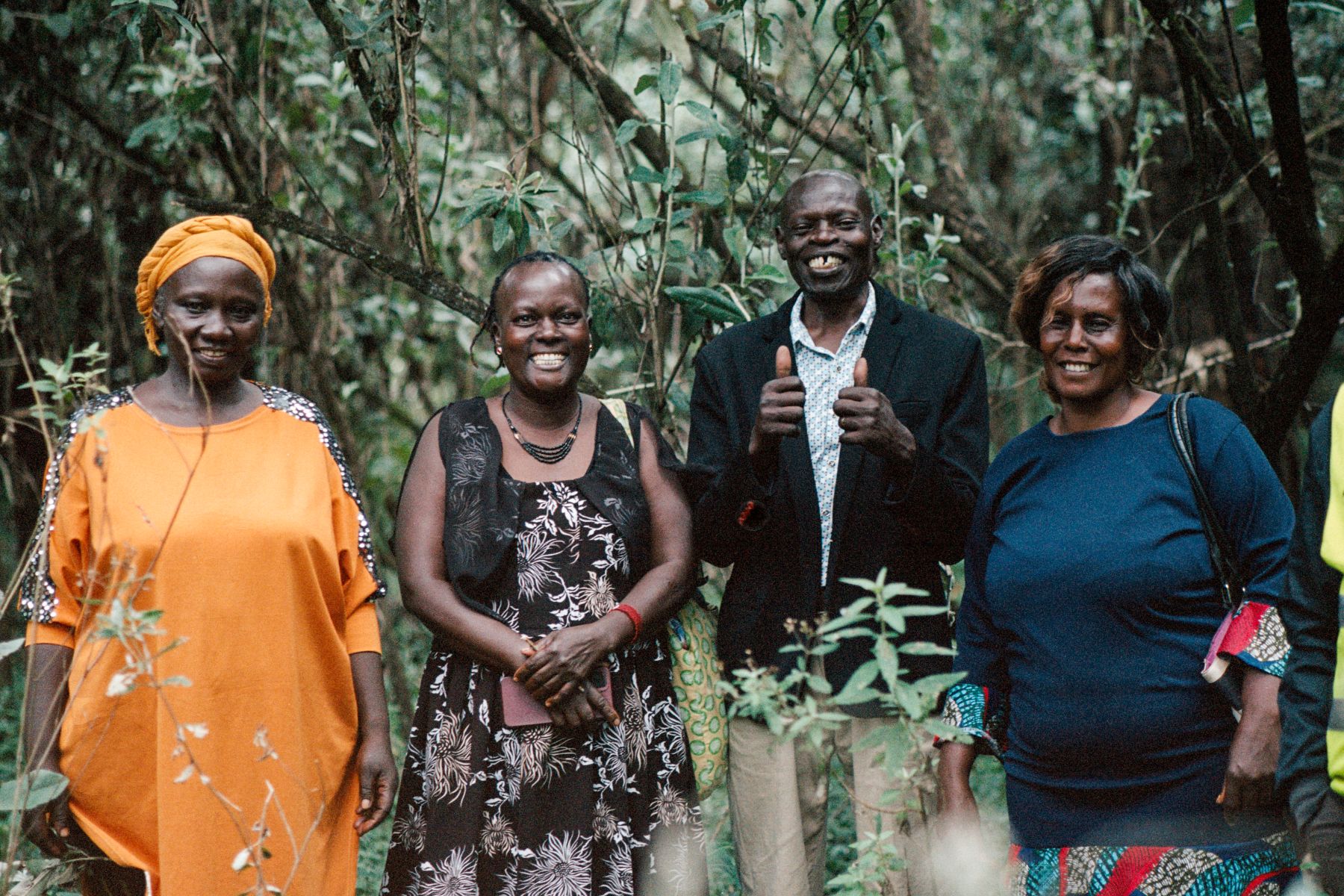
About the research
This intercultural design research project explored how sustainable beekeeping could become a viable livelihood in Kenyan farming communities. As a non‑timber forest activity, beekeeping can generate income while helping protect forest‑adjacent communities from more extractive forms of livelihood. Conducted in a culturally sensitive, multi‑stakeholder context, the research required careful listening, humility, and openness to local realities. It revealed that the main barrier was not awareness or skill, but access to the resources needed to begin.






User Research
My role centered on the user research, working closely with local farmers to understand the realities, needs, and barriers shaping their first steps into beekeeping.
Product Design
Utilising that connection to the community I was heavily involved in translating our design into a shareable format.
Stakeholder management
Alongside the research and design work, I also helped align six research and funding partners, balancing different expectations while keeping the project moving toward a shared goal.
.jpg)
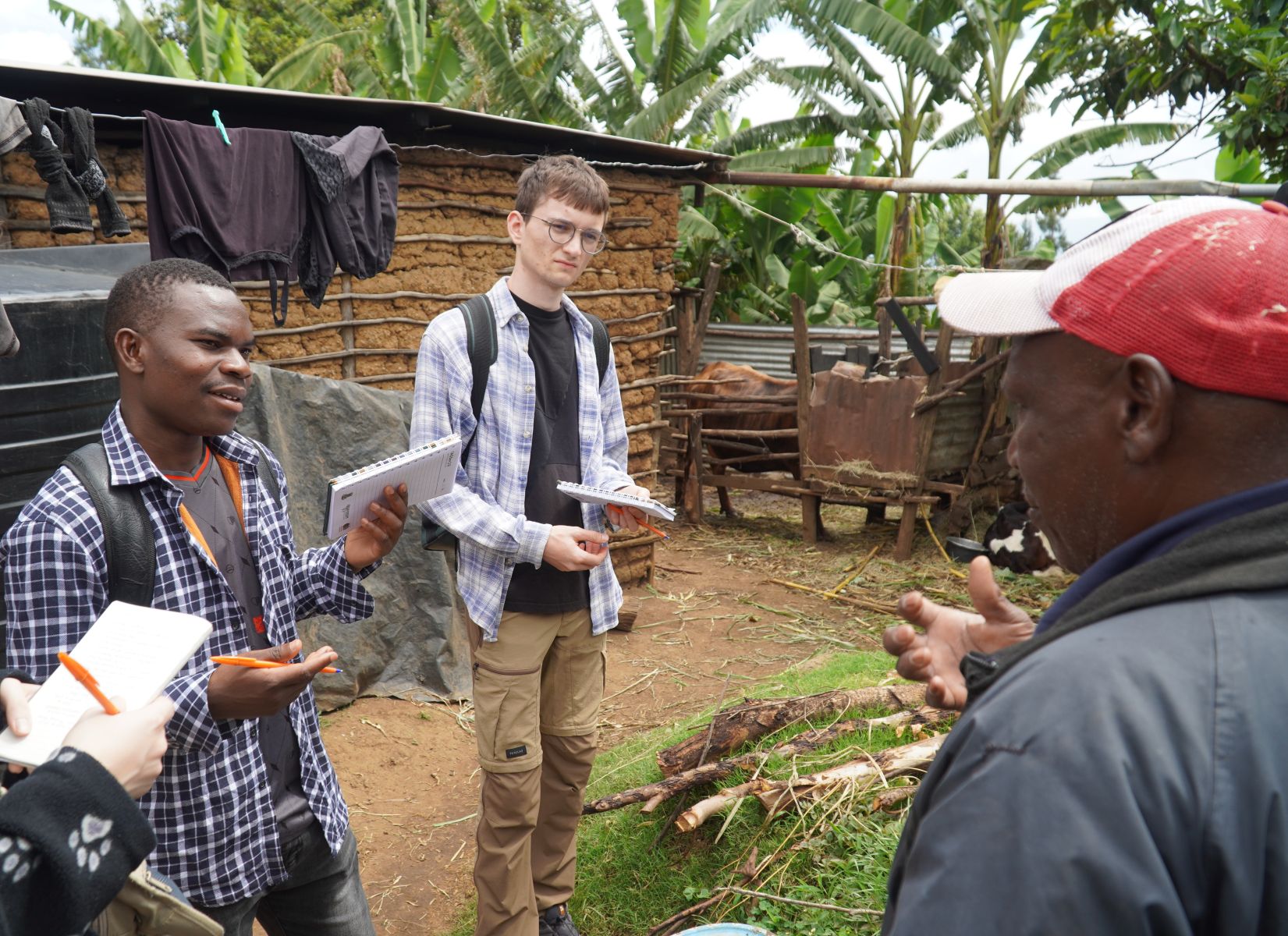
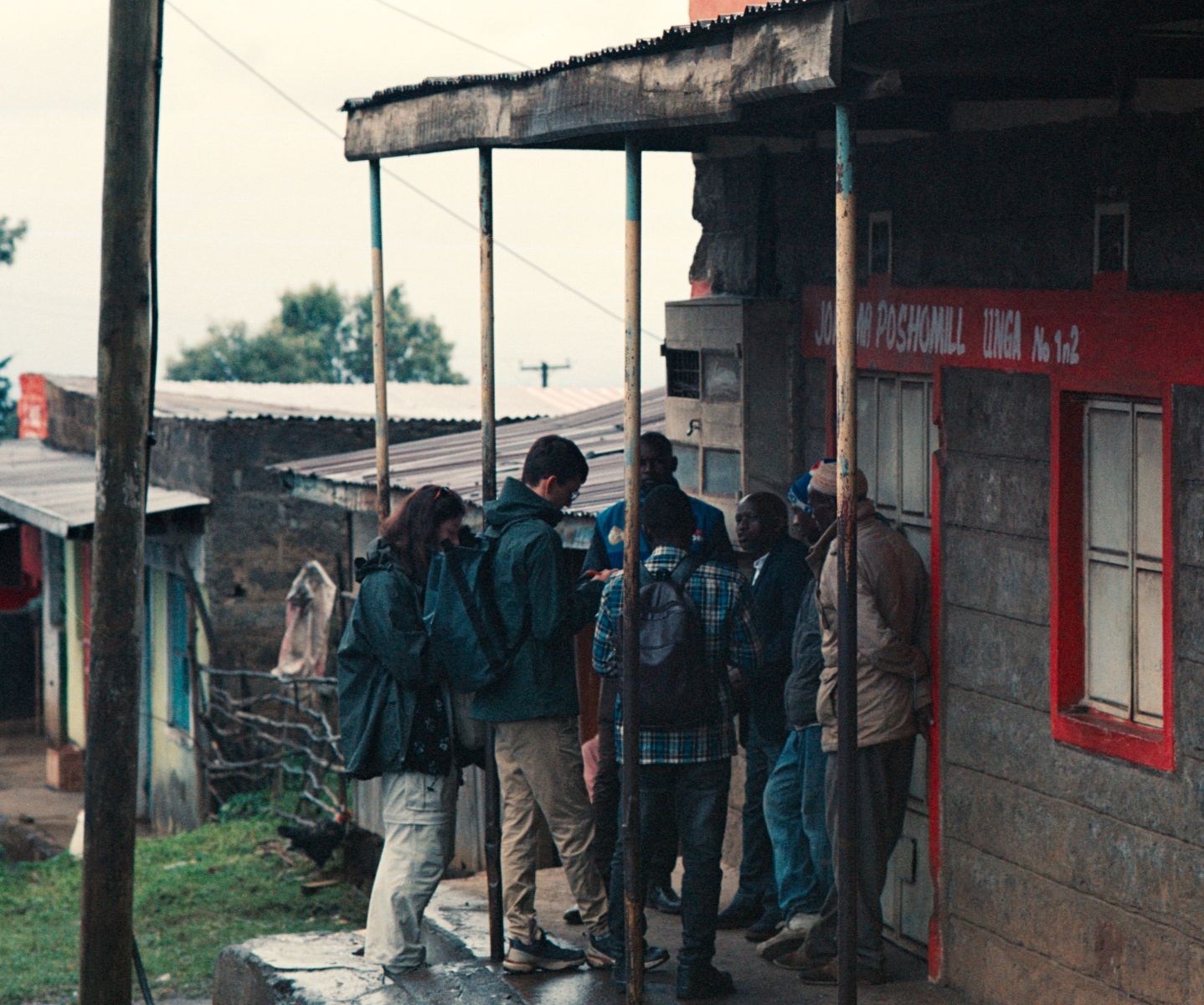
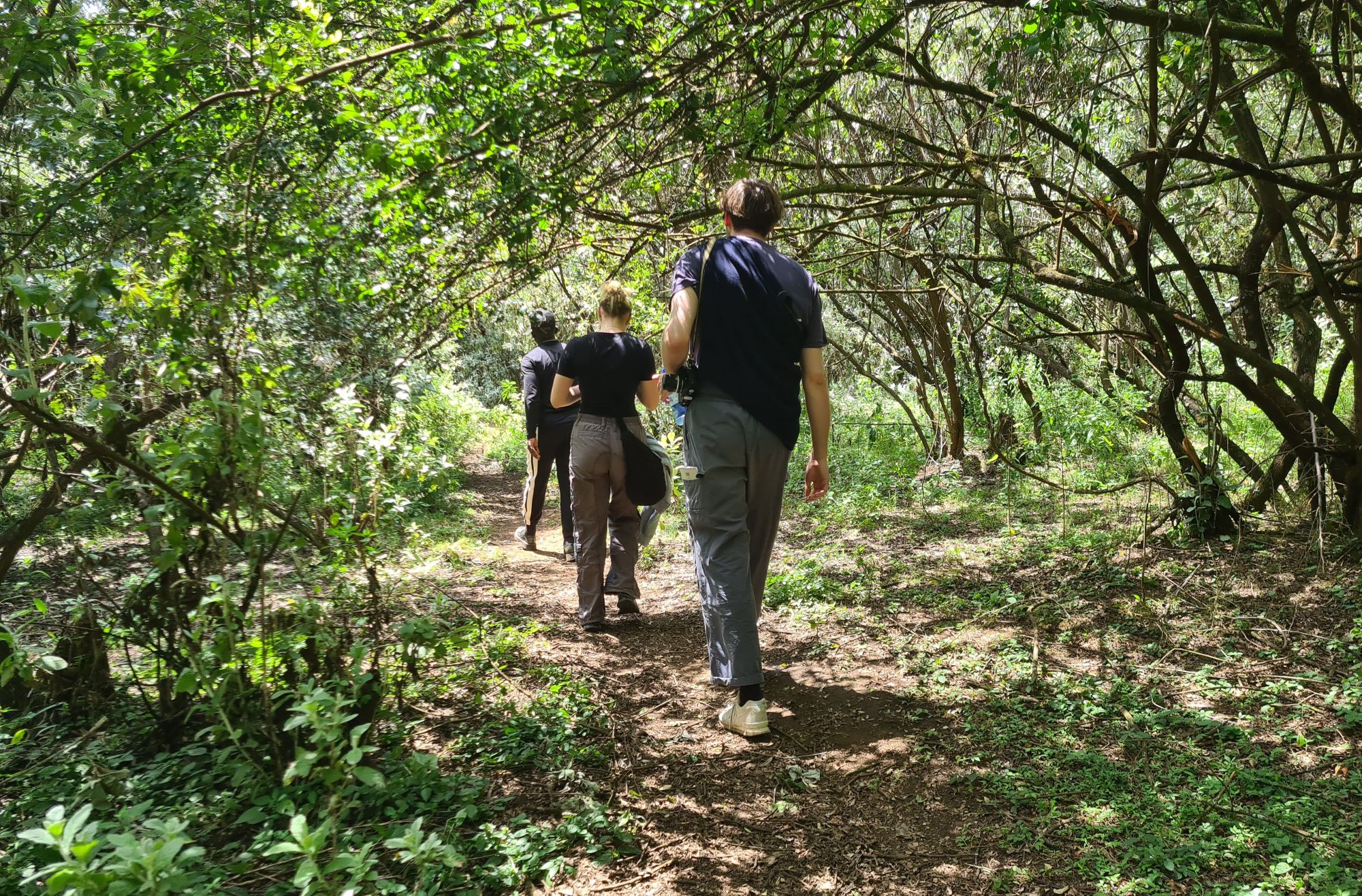
Research with the locals.
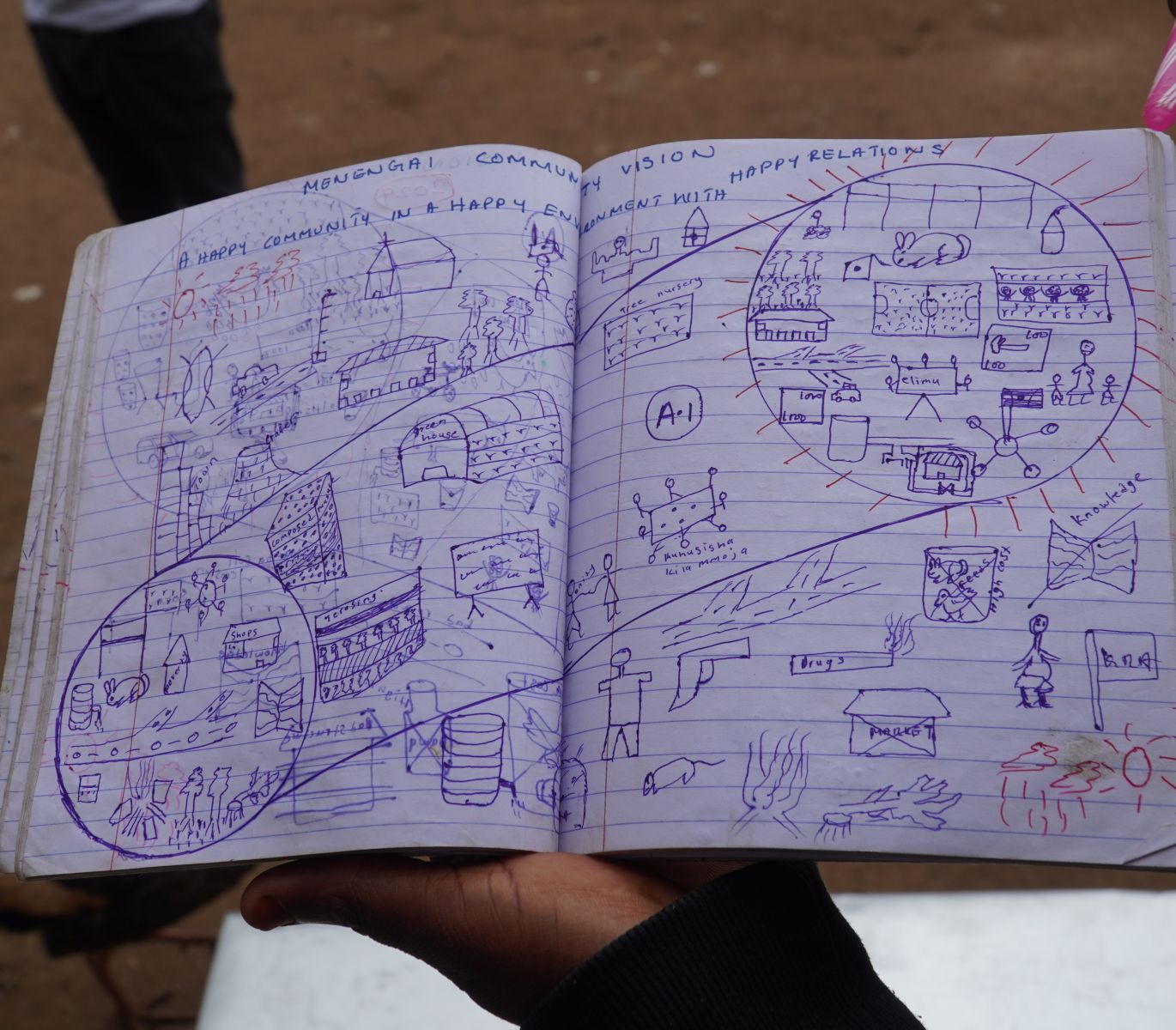
When working with an unfamiliar user group, taking time to understand their everyday reality led to more accurate insight into their actual pain points.

.jpg)
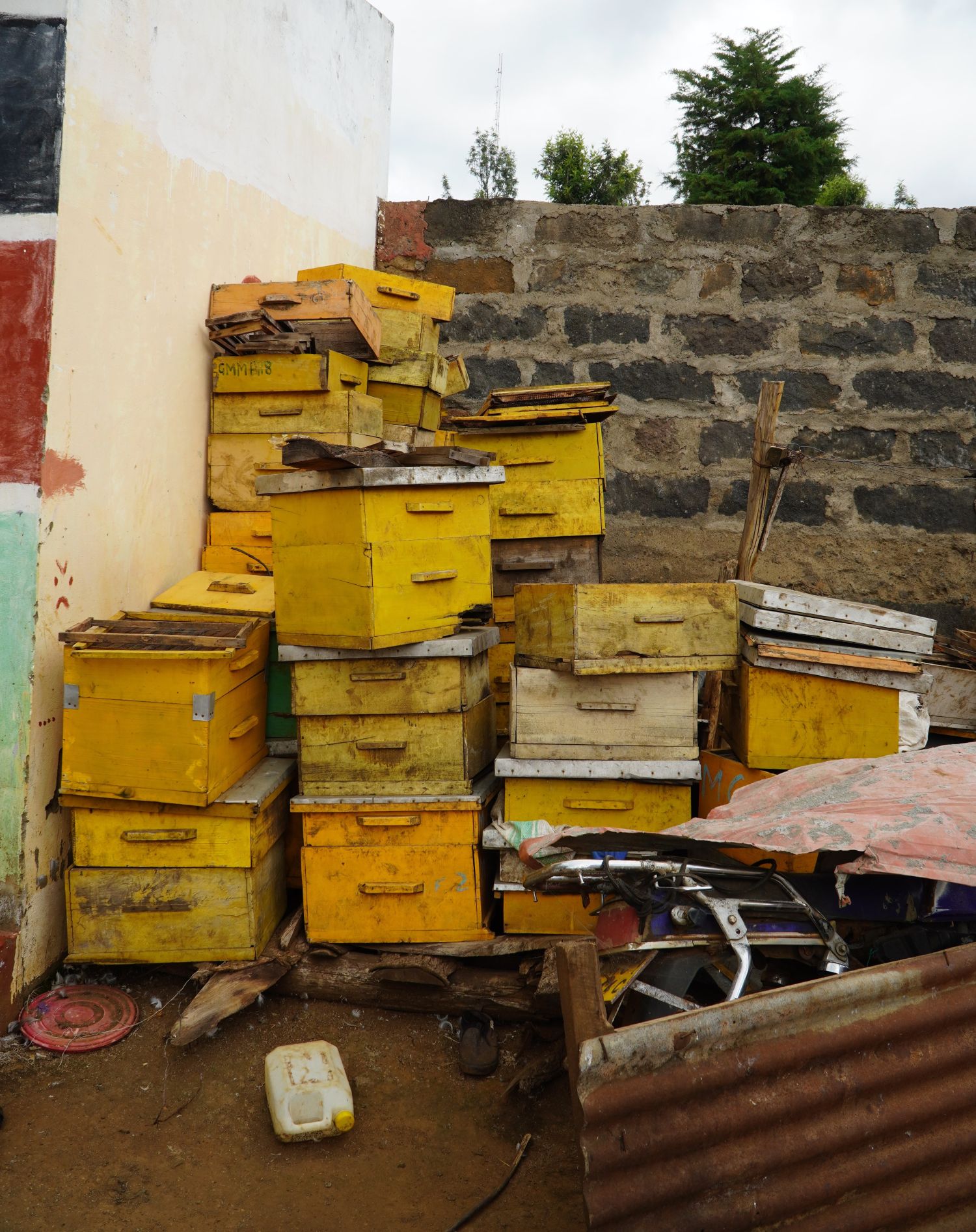
The final concept is a low‑tech mud hive built from materials found locally in the surrounding environment. Designed as an entry point rather than a replacement, it lowers the barrier to beekeeping and turns starting from something distant into something achievable.
That lower barrier opens a path to earlier harvests and first sales. In turn, the first income can help farmers invest in better hives, strengthen their setup, and build the foundation for a more sustainable practice.
It also supports learning in the most practical way possible: by doing. Farmers can begin developing confidence, understanding whether beekeeping suits their needs, and building colony populations before putting limited money into more advanced equipment.
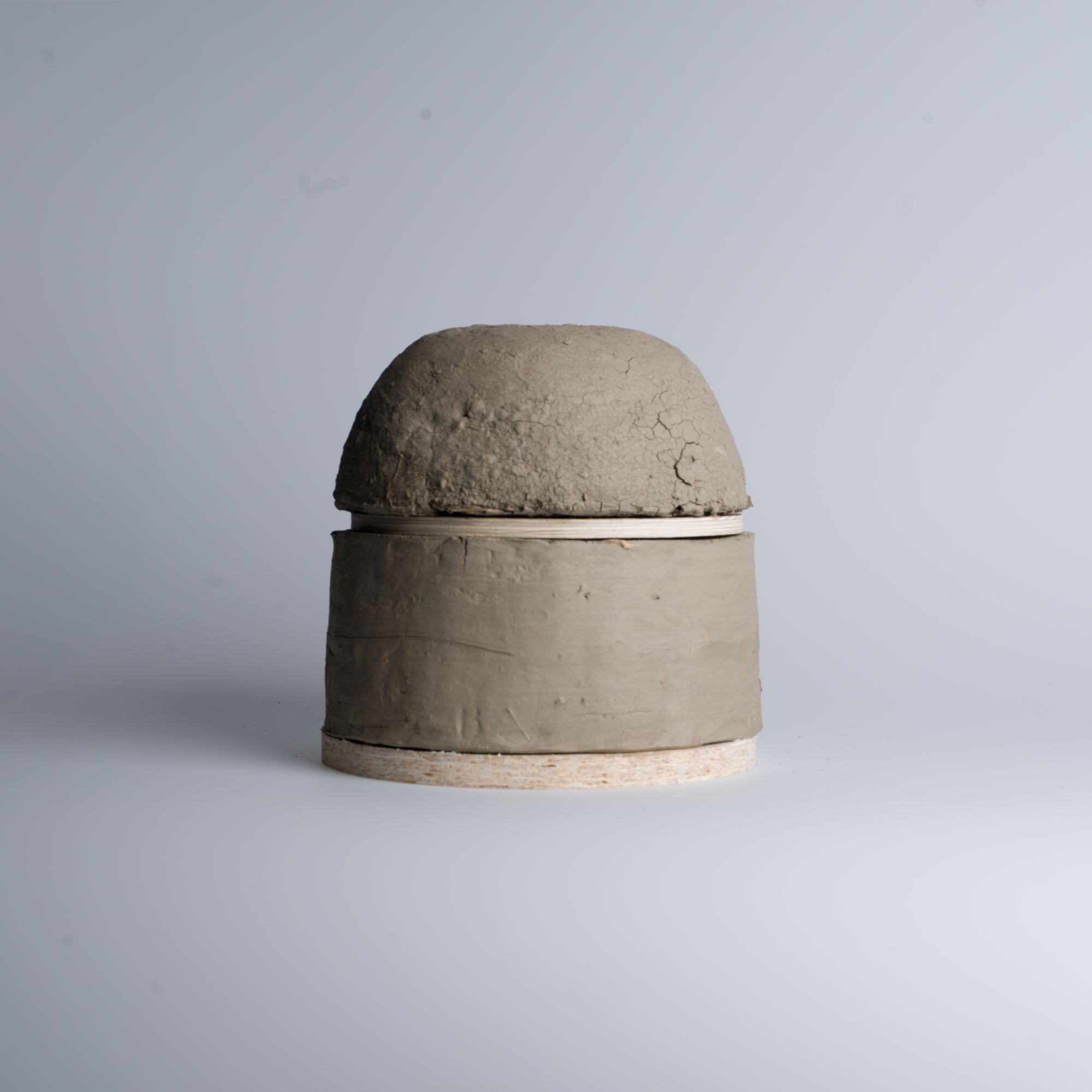

Designing for the locals.
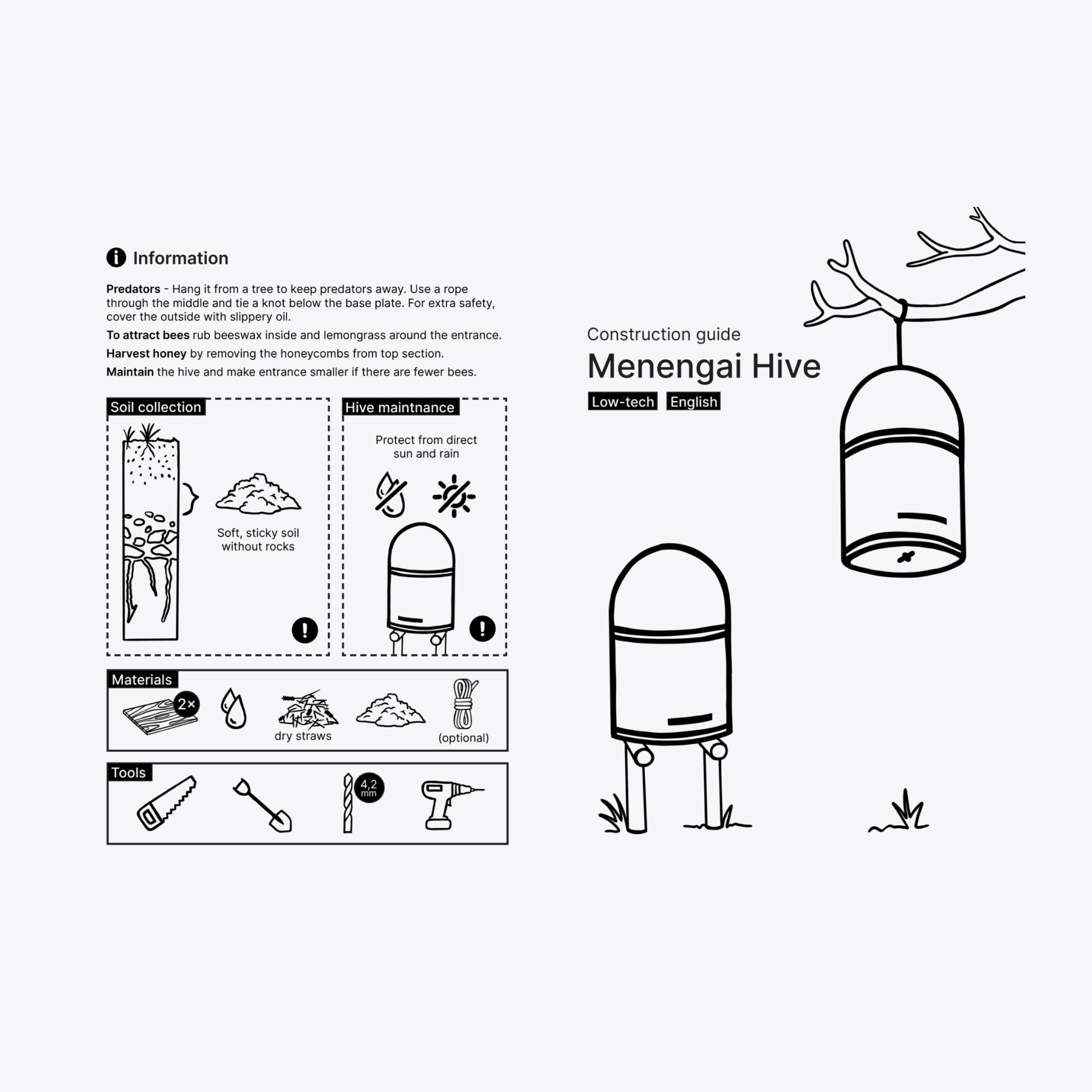
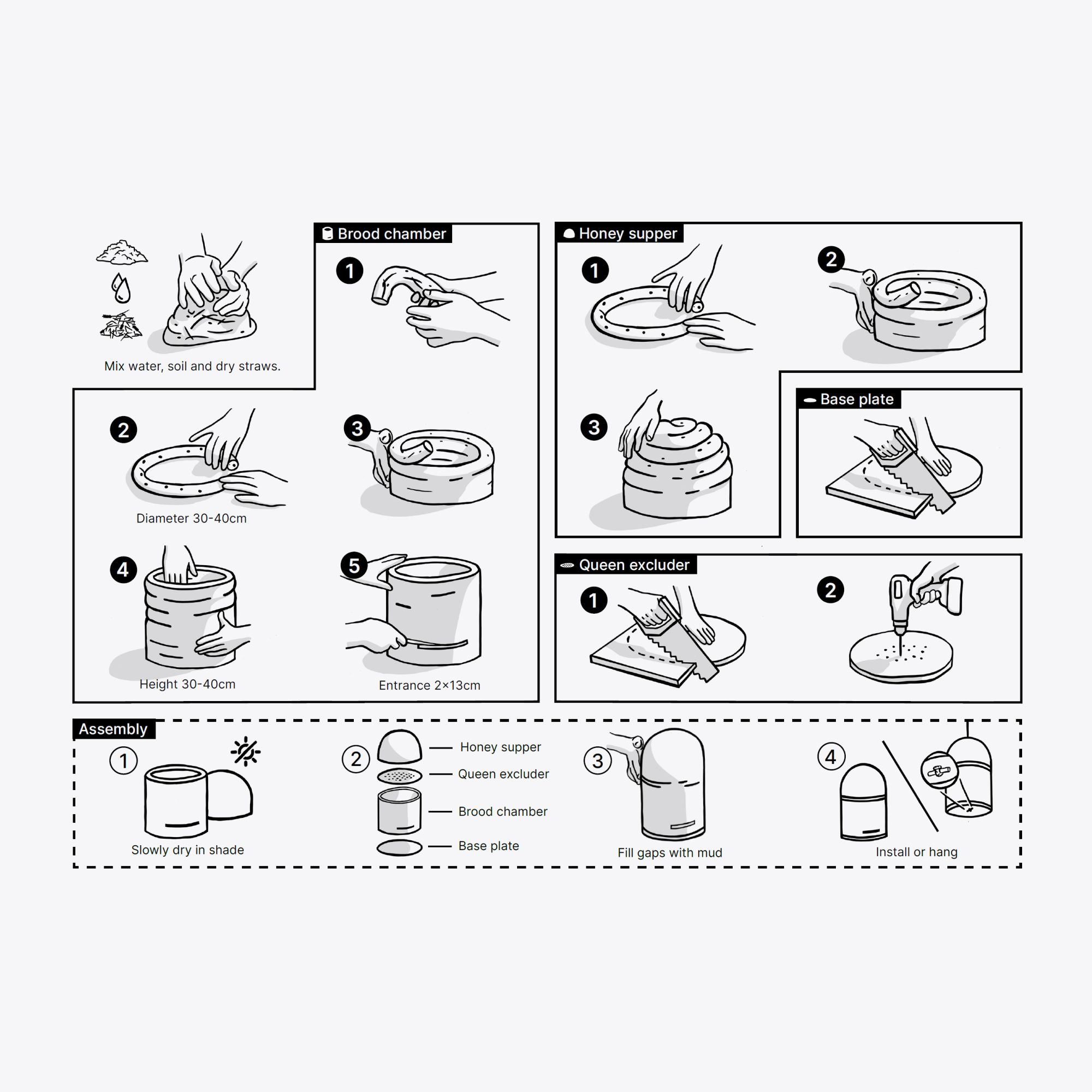
Based on the final hive design, I produced a single, easily chareable brochure in simple IKEA‑like style in English and Swahili that can be understood even by those, who cannot read.
Humility
Intercultural user research in Kenya required humility above all. It required slowing down, listening carefully with respect for what is not yet understood. Real understanding only started to emerge when the work approached local realities with respect and patience.
Learning
Intercultural research at its core is about learning about each other. Listening to people’s everyday lives, existing practices, and the conditions they are already navigating. The value came from building understanding with the community, not defining it for them.
Assumptions
In an unfamiliar context, even small assumptions can distort what is seen as a problem and what is overlooked. Better insight came from actively questioning those assumptions and staying open to perspectives that challenged them.